


Insights from
our Advisors
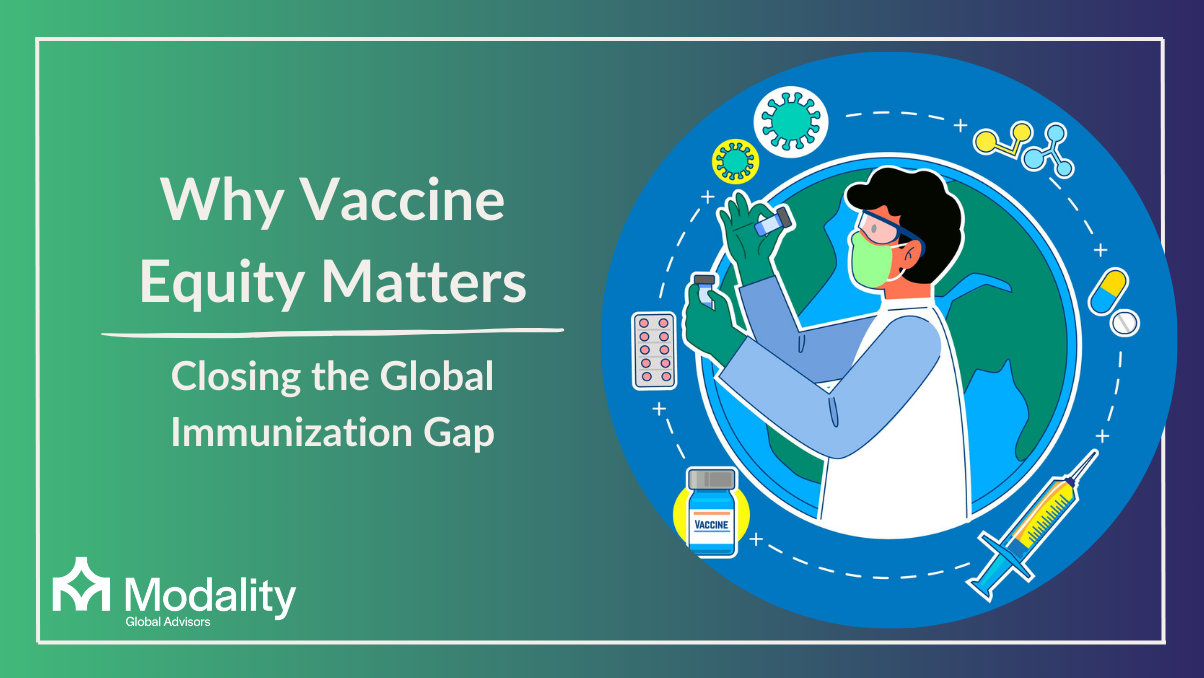
Why Vaccine Equity Matters: Closing the Global Immunization Gap
In an interconnected world, vaccines have been called one of the greatest public health achievements of the past century. Millions of people throughout the world still do not have access to life-saving vaccines, despite tremendous advancements in immunization technology. The idea that everyone, everywhere, should have timely and equitable access to vaccines is known as vaccine equity, and it goes beyond simple morality. It is essential for economic resilience, security, and health on a global scale.
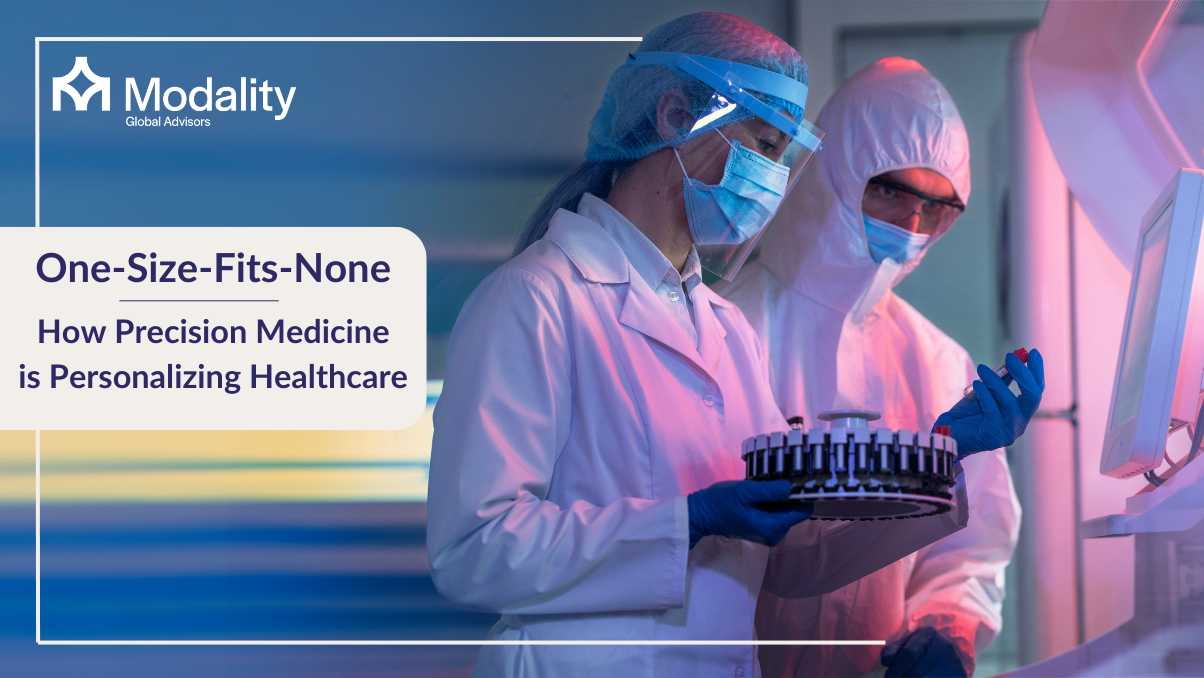
One-Size-Fits-None: How Precision Medicine is Personalizing Healthcare
In an era where data and technology are reshaping industries, healthcare is transforming on its own. The one-size-fits-all approach to treatment is no longer viable. Today, precision medicine, an innovative, personalized approach to care, is becoming the gold standard. It’s not about what works for most; it’s about what works best for you. Welcome to the era where one-size-fits-none.
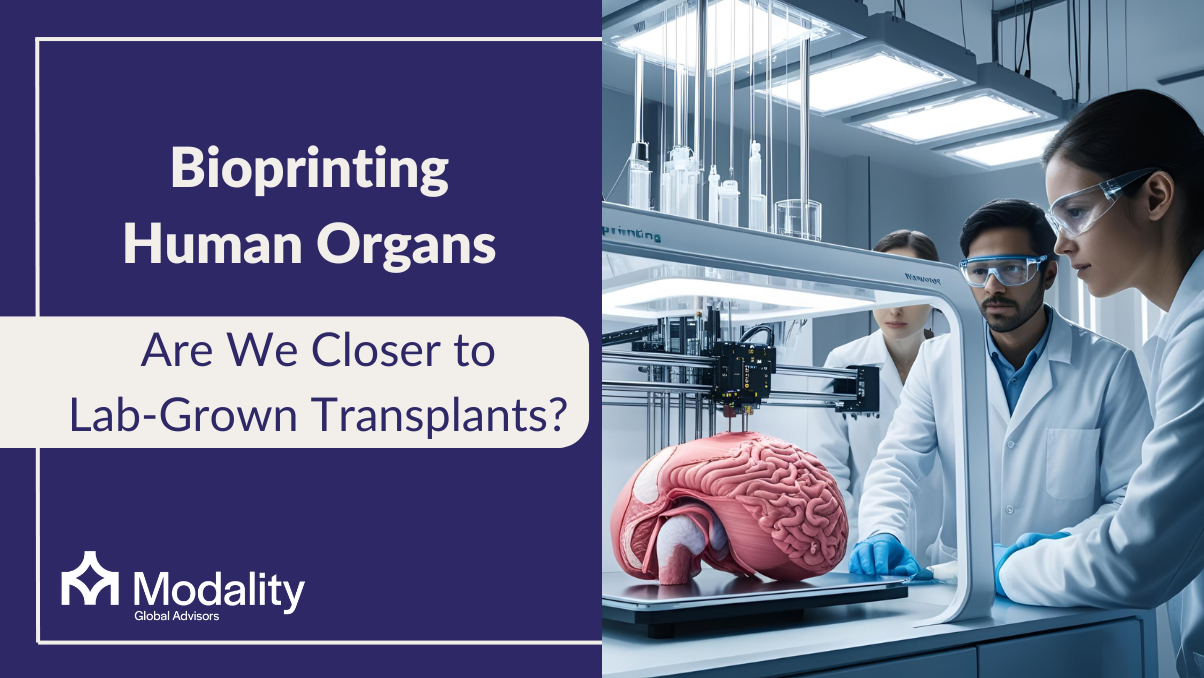
Bioprinting Human Organs: Are We Closer to Lab-Grown Transplants?
Although the idea of lab-grown organs may sound like science fiction, it is quickly becoming a scientific reality thanks to advancements in bioprinting technology. Custom-made, transplantable human tissues and possibly even complete organs are becoming possible thanks to bioprinting, a ground-breaking area of regenerative medicine. Given the ongoing scarcity of donor organs, the consequences for healthcare are profound. However, how likely is it that we will ever see organs created in a lab in a clinical setting?
How AI and Digital Health Tools Can Reduce Stress for Patients and Providers
In today's hectic healthcare environment, consumers and clinicians frequently have to navigate a complex, disjointed, and stressful system. Among the issues that lead to widespread burnout among healthcare workers and worry among patients are lengthy wait times, administrative overload, and communication breakdowns. Thankfully, the emergence of digital health tools and artificial intelligence (AI) is changing the game by promoting a more effective, human-centered healthcare experience, reducing stress, and enhancing communication.
Blockchain: The Unsung Hero of Healthcare Security
Healthcare is one of the industries most susceptible to cyberattacks due to the digital transition. Cybercriminals target sensitive patient records, insurance claims, and medical histories, which can result in significant financial losses and privacy violations. Blockchain technology is a potent remedy in this high-stakes environment, revolutionizing the way medical data is shared, stored, and protected

The Role of Artificial Intelligence in Drug Discovery and Development
Drug discovery has historically presented difficulties for the pharmaceutical business, ranging from exorbitant expenses to protracted development schedules. Bringing a new medication to market typically costs about $2.6 billion and takes 10 to 15 years. Clinical studies have a 90% failure rate, making innovation imperative.

"Improving Mental Health in Hawaii Through Patient-Centric Care Models"
Hawaii is experiencing a growing mental health crisis as a result of structural issues, cultural variety, and remote location, which have made it difficult to get quality care. Hawaii's mental health requirements are varied and complex, ranging from underprivileged rural villages to young people dealing with serious mental health issues. Patient-centric care models are a viable way to enhance mental health outcomes as the state attempts to close gaps in its healthcare system. These models, which put the patient's needs, preferences, and values first, are especially well-suited to handle the particular difficulties that Hawaii's citizens encounter.

Personalized Nutrition: How AI and Data Are Changing the Way We Eat
Suppose your diet is customized based on your genetic composition, way of life, and health objectives. Personalized nutrition is changing how we eat today, thanks to the development of artificial intelligence (AI) and data-driven solutions. AI is making nutrition more accurate, accessible, and efficient than ever before by utilizing machine learning, big data, and biometric tracking.

Building a Patient-Centered Maternity Care Strategy
One of the most essential facets of healthcare is maternity care, which has a direct effect on the health of both the mother and the child. While guaranteeing access to high-quality, evidence-based care, a patient-centered maternity care approach puts the needs, preferences, and general health of pregnant mothers first. Implementing methods that enable individualized, compassionate, and accessible maternity care is more crucial than ever in light of growing concerns about maternal death rates and care inequities.

The Sleep Revolution: How the Wellness Industry Is Reaching New Heights with Sleep Tech
In the fast-paced world of today, getting enough sleep has become more of a luxury than a need. However, the wellness sector is stepping up with ground-breaking advancements in sleep technology as awareness of the importance of sleep for general health grows. The sleep technology revolution is changing how we sleep, heal, and function, from smart mattresses to AI-powered sleep tracking.

AI-Driven Remote ECG Monitoring and Predictive Analytics: Transforming Cardiac Care from Arrhythmia Detection to Perioperative Optimization
Cardiac care is undergoing a significant transformation, fueled by the rapid adoption of artificial intelligence (AI), advanced analytics, and connected medical devices. This evolution is especially apparent in two critical areas of cardiovascular medicine: arrhythmia detection through remote electrocardiogram (ECG) monitoring and predictive analytics to optimize perioperative outcomes. From early diagnosis of atrial fibrillation (AFib) in outpatient settings to reducing postoperative complications in the surgical suite, these technologies are reshaping the standard of care. This article explores how AI ECG interpretation and data analytics are converging to improve clinical decision-making, patient outcomes, and healthcare operations, drawing on insights from both clinicians and industry experts.

The Intersection of Cybersecurity and Patient Privacy: Protecting Healthcare Data in a Digital Age
In today’s hyper-connected world, the healthcare industry is transforming digitally, leveraging technology to improve patient care, streamline operations, and enhance outcomes. Healthcare data is more susceptible than ever in the current digital world. As telemedicine, AI-driven diagnoses, and electronic health records (EHRs) have grown in popularity, safeguarding patient data has taken precedence.

Kidney Health in the Digital Age: How Technology is Helping Us Monitor and Improve Kidney Function
The nexus between healthcare and technology is transforming our approach to wellbeing in today's tech-driven, fast-paced world. Kidney health is one of the crucial fields where innovation is having a significant influence among the many other areas that are benefiting from this digital change. More than 850 million people worldwide suffer from chronic kidney disease (CKD), making early detection, efficient monitoring, and better management more important than ever. Enter the digital era, where state-of-the-art tools are enabling people and medical professionals to adopt preventative measures for improved kidney health.

Health Equity and Disparities Among Native Hawaiian and Pacific Islander Populations
Native Hawaiian and Pacific Islander (NHPI) populations face significant health disparities that stem from a combination of socioeconomic factors, cultural influences, and systemic barriers. Despite being a vital part of the United States’ diverse population, NHPI individuals often experience higher rates of chronic diseases, limited access to healthcare, and socioeconomic hardships that contribute to poor health outcomes. Addressing these inequities requires a deep understanding of NHPI populations' barriers and a commitment to implementing culturally responsive, value-based care solutions. There is ample evidence of the health inequalities that NHPI populations experience:

Strategic Planning for Healthcare Organizations: Aligning with Industry Trends and Regulations
In the ever-evolving landscape of healthcare, strategic planning is not just an option, it’s a necessity. With rapid technological advancements, shifting patient expectations, and an intricate web of regulations, healthcare organizations must be proactive rather than reactive. Aligning with industry trends and regulatory frameworks ensures not only compliance but also operational efficiency, improved patient outcomes, and long-term sustainability.

Mergers and Acquisitions in Healthcare: Driving Growth Through Strategic Partnerships
Technology breakthroughs, shifting regulations, and changing patient needs are driving a revolutionary period in the healthcare sector. Mergers and acquisitions (M&A) have become a potent tactic for businesses looking to expand, improve their capabilities, and stay competitive in this ever-changing environment. Healthcare organizations may increase their reach, maximize resources, and improve patient outcomes by establishing strategic alliances. This blog examines the function of mergers and acquisitions in the healthcare industry and emphasizes how Modality Global Advisors helps to make these calculated decisions.

The Role of Fluoride in Children’s Oral Health: Is It Safe and Effective?
For a long time, fluoride has been essential for maintaining oral health, particularly in kids. Although fluoride is a naturally occurring mineral in soil, water, and some foods, it has been added to toothpaste and even public water supplies in many nations to assist in lowering the prevalence of tooth decay and cavities. Its efficacy and safety, particularly in children's dental health, are still up for debate. What is the truth about fluoride use, and how does it affect your child's teeth?

Advancing Value-Based Care in Hawaii: Empowering Patient Activation for Better Health Outcomes
Hawaii's healthcare system is as distinctive as its breathtaking islands, influenced by its remote location, rich diversity, and intricate medical requirements. Value-based care (VBC), which moves the emphasis from volume to value, has become a revolutionary strategy as the state attempts to improve health outcomes. In this system, providers are rewarded not by how many services they deliver, but by the quality of care and patient outcomes they achieve. Patient activation is at the heart of this change empowering individuals to take charge of their health. By driving patient engagement, VBC improves outcomes and helps tackle healthcare disparities, especially in Hawaii's rural and underserved communities.